
SPAIN wins FIFA World Cup 2026, beat Argentina 1-0 with goal in extra time
.gif)

Download Mobile App 






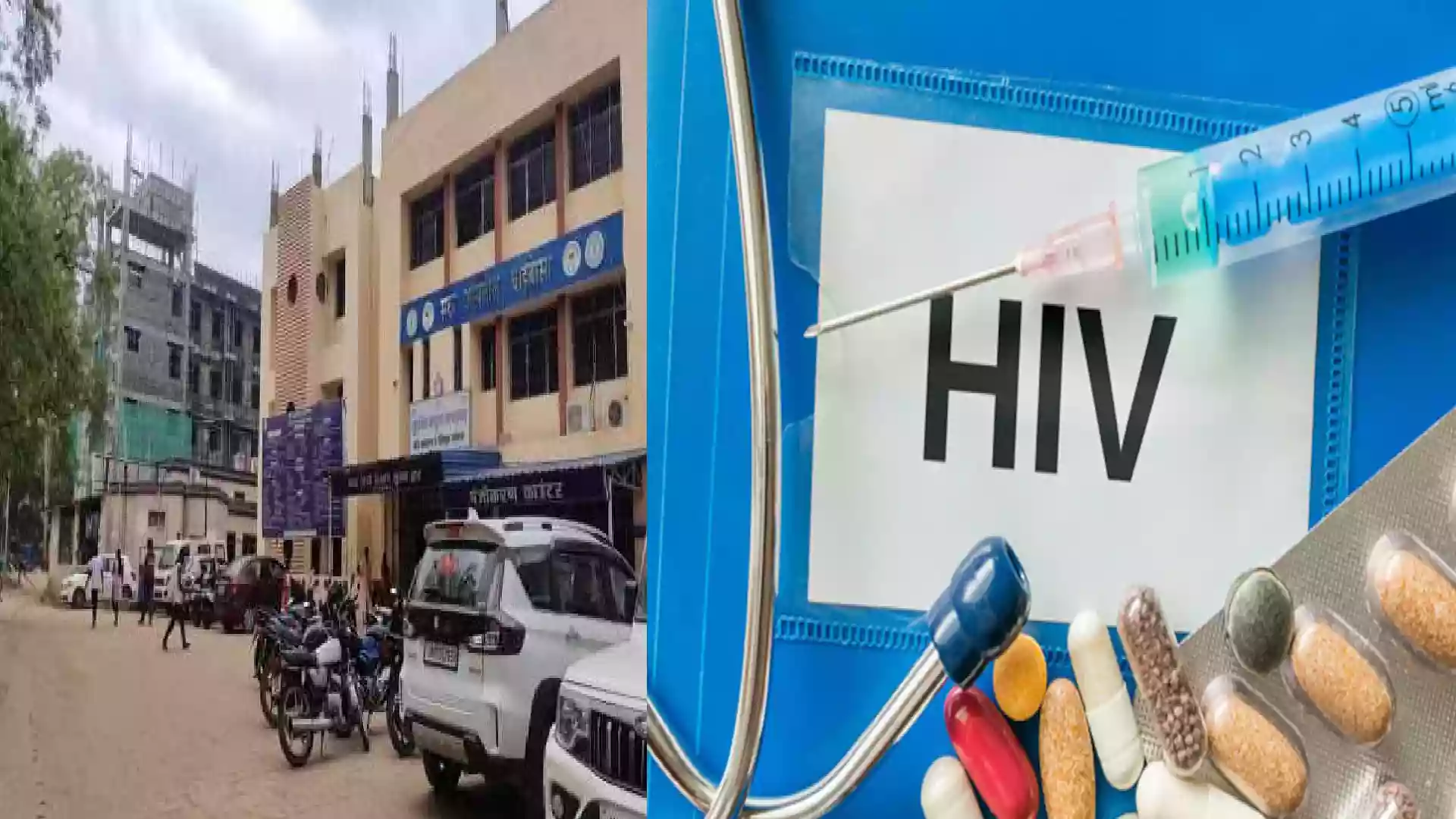
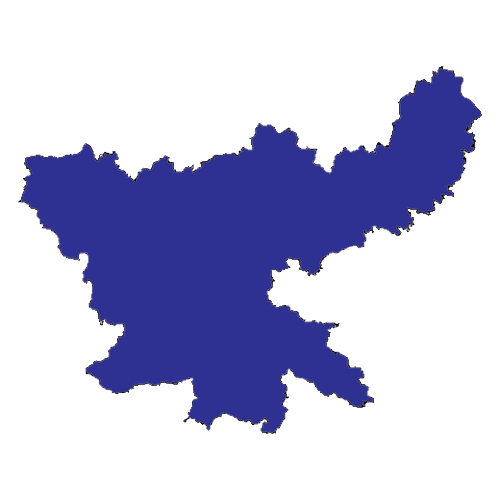
In the Chaibasa town, West Singhbhum district, Jharkhand five young thalassemia patients—all under 10—have tested positive for HIV, with tainted blood transfusions from a local hospital's blood bank. The ordeal kicked off just over a week ago when frantic parents, noticing their child's unexplained fatigue after his 25 units of blood transfusion at Sadar Hospital, demanded tests that confirmed the unimaginable: HIV infection in a boy already battling with thalassemia. What followed was a ripple of dread— a Ranchi medical team swooped in screening four other vulnerable kids in the pediatric intensive care unit, only to uncover the same devastating results, turning a routine ward into a zone of questions.
District Civil Surgeon Dr Sushanto Majhee noted that the child had tested HIV-positive over a week ago along with HIV-infection could also result from other factors including exposure to contamined needles. As the probe deepens these children, drawn from low-income families scraping by in Jharkhand's tribal belts, now faces a dual war against blood disorders and a lifelong viral foe, their futures dimmed by needles that should have healed but poisoned instead. Parents huddle in hospital corridors, one mother, tears carving paths down her weathered face, recounted how her daughter's "miracle" transfusions at the very same blood bank shows a deadly oversight, with initial HIV screenings on donated blood apparently bypassed or botched.
Jharkhand state government former a five-member team, headed by Health Services Director Dr. Dinesh Kumar and including specialists like Dr. Shipra Das and Dr. S.S. Paswan, signals urgency, as they investigates through records at Sadar Hospital's blood bank and PICU, unearthing discrepancies in testing protocols. West Singhbum district currently has 515 HIV cases amid 56 thalassemia sufferers, this isn't mere misfortune—it's a clarion call exposing cracks in India's blood safety net. For these five young children treatment ramps up with antiretrovirals layered atop their iron chelation therapies, a bittersweet fight where survival odds hang by threads of medical mercy and parental prayers. In Jharkhand's resilient spirit, this could forge change—transforming contaminated medical container into a blueprint for vigilance, ensuring no child's blood runs with hidden horrors.




 West Bengal
 Bihar
Bihar Uttar Pradesh
 Jharkhand